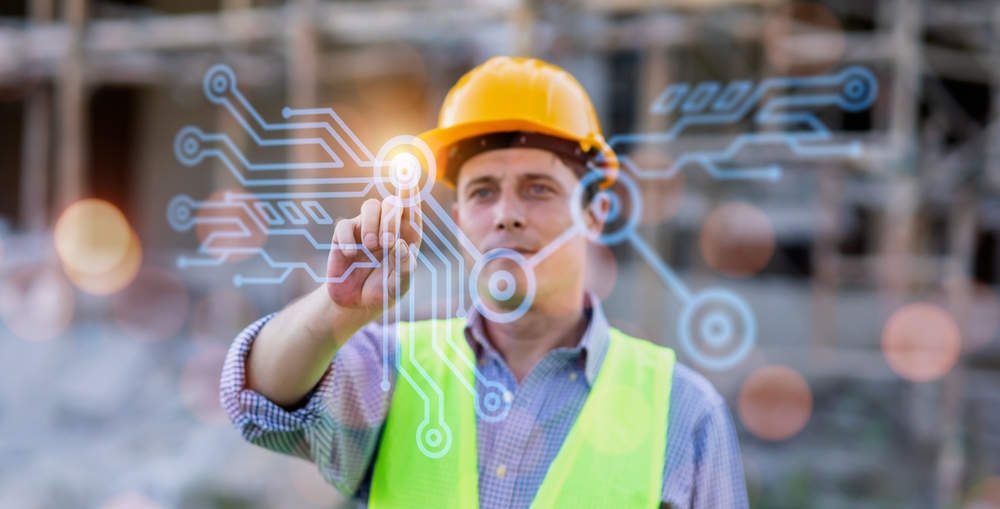
As we are set to move into 2026, the construction industry is accelerating into a new era defined by digital fluency, green imperatives, and a reimagined workforce. For professionals and companies preparing for the year ahead, understanding these trends is critical for future-proofing careers and businesses.
Here are the five key trends fundamentally reshaping construction in Ireland this year.
The buzz around AI has matured into tangible, on-site applications. In 2026, it’s less about concept and more about practical integration:
Generative AI for Design & Compliance: AI platforms are now routinely used to generate optimised design options that balance cost, materials, carbon footprint, and regulatory compliance (including complex Part L building standards) in minutes, not weeks.
Predictive Project Management: AI algorithms analyse historical project data and real-time feeds to predict delays, cost overruns, and supply chain bottlenecks, allowing for proactive mitigation.
"Living" Digital Twins: Beyond 3D BIM models, digital twins of buildings and infrastructure are now dynamic, data-rich replicas fed by IoT sensors. They are used for everything from optimising energy usage in completed buildings to simulating the impact of design changes in real-time during construction. This trend is creating a surge in demand for Digital Twin Managers and AI Integration Specialists.
The drive for a low-carbon economy has moved beyond solar panels and insulation. Green construction is now the baseline, leading to two major shifts:
The Rise of Circular Construction: The focus is intensifying on designing for deconstruction. This means using reversible building techniques and materials with clear "passports" that detail their composition for future reuse or recycling, minimising landfill waste.
Embodied Carbon as the Key Metric: While operational energy is still vital, the industry is now rigorously measuring and minimising the embodied carbon—the CO2 emitted from manufacturing, transport, and construction of materials. This is driving a renaissance in locally sourced, low-carbon materials like timber frame and hempcrete, and boosting roles for Embodied Carbon Analysts and Sustainable Procurement Managers.
Modern Methods of Construction (MMC) have evolved. It’s no longer just about volumetric pods. In 2026, we see MMC 2.0: a hybrid, platform-based approach.
Kit-of-Parts Systems: Developers and main contractors are adopting standardised, interoperable component systems (e.g., prefabricated wall panels, floor cassettes, bathroom pods) that can be assembled in various configurations. This boosts quality, slashes programme times, and reduces waste.
Off-Site Hybrid Hubs: Large projects are supported by temporary, pop-up fabrication hubs located near sites, blending the efficiency of factory conditions with the flexibility needed for complex builds. This trend is creating a new site hierarchy that includes Off-Site Coordination Managers and DFMA (Design for Manufacture & Assembly) Engineers.
Addressing the skills gap means making the industry safer, more technologically engaging, and more inclusive.
Exoskeletons & Connected PPE: To address physical strain and an aging workforce, wearable tech is going mainstream. Powered exoskeletons reduce injury risk for repetitive tasks, while smart helmets and vests monitor vitals, detect falls, and warn of proximity hazards.
Upskilling as a Retention Strategy: With tech evolving rapidly, companies are investing heavily in continuous micro-credentialing—short, focused courses in BIM, drone operation, or carbon accounting. This is key to attracting and retaining talent.
Focus on Mental Health: Recognising the industry’s high-stress environment, structured mental wellbeing programmes and site-based support are becoming standard practice for forward-thinking contractors.
In response to climate volatility and changing needs, resilience is paramount.
Climate-Adaptive Design: New projects, especially in coastal and urban areas, must now integrate features for flood resilience, passive cooling for heatwaves, and sustainable urban drainage systems (SuDS) as standard.
The Retrofit Mega-Market: With ambitious national decarbonisation targets, the deep energy retrofit of Ireland’s existing housing stock is shifting into high gear, creating a vast, sustained demand for specialised Retrofit Coordinators and craftspeople skilled in advanced insulation and airtightness.
For job seekers, these trends signal a sector rich with opportunity beyond traditional trades. The future belongs to those who blend core construction knowledge with digital, green, or managerial specialties.
For employers, success hinges on embracing these trends to win tenders, control costs, and—most critically—attract the next generation of talent who want to work with cutting-edge tools on meaningful, sustainable projects.
The conversation on these trends, and the careers they enable, will be central at the 2026 Construction Jobs Expo. It’s the premier event to see these technologies in action, meet the companies leading the change, and future-proof your role in building Ireland’s tomorrow.
Ready to build the future? Connect with the innovators and recruiters shaping Ireland's construction industry at the 2026 Construction Jobs Expo. Explore careers, discover technologies, and take the next step in your professional journey.