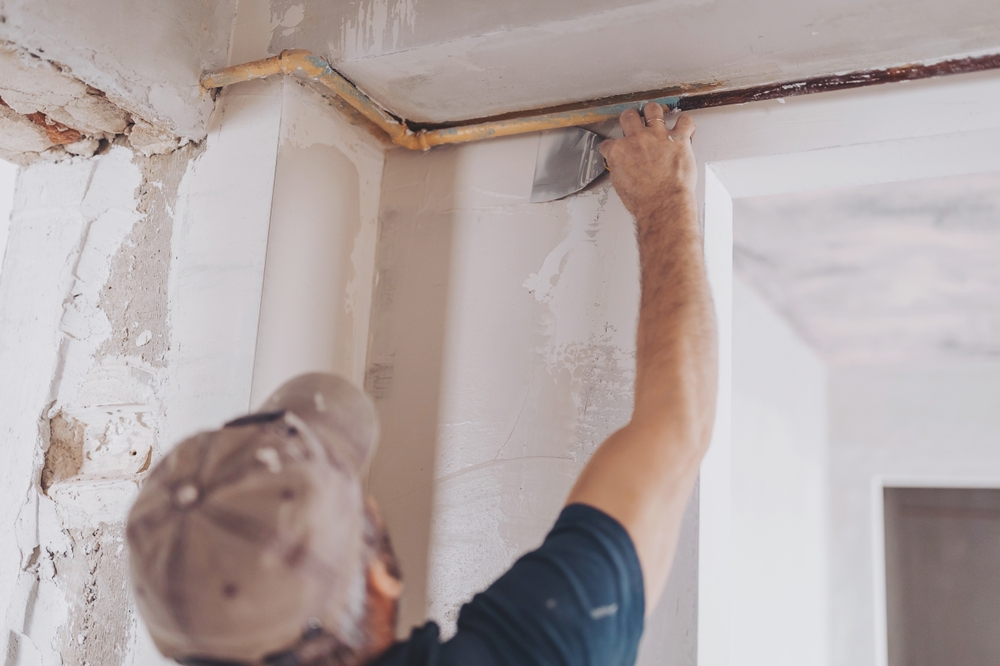
The construction industry in Ireland is thriving, driven by ambitious housing, commercial, and infrastructure projects. For anyone seeking a hands-on, in-demand, and creative trade, plastering offers a perfect pathway. It’s a skill that transforms bare walls and ceilings into smooth, finished surfaces and provides the essential final touch that defines the quality of any build.
But before you ever pick up a trowel on a professional site, there is one non-negotiable first step: the Safepass course. Combining certified safety training with foundational plastering skills is the most powerful way to launch a responsible and successful career. This article outlines the integrated skills, knowledge, and attitudes you’ll need to master the basics of plastering while prioritising safety above all else.
The Safepass programme is your mandatory ticket to any construction site in Ireland. It’s not a formality; it’s a vital education in survival and responsibility. Before learning to build, you must learn how to not get hurt—and how to ensure others stay safe.
The Knowledge You’ll Gain:
Health & Safety Law: Understanding the Safety, Health and Welfare at Work Act and your legal responsibilities.
Hazard Identification: Recognising common site dangers, from working at height and excavation risks to electrical and manual handling hazards.
Safe Work Practices: Procedures for using personal protective equipment (PPE), scaffolding, and machinery.
Emergency Protocols: Knowledge of first aid, fire safety, and emergency response procedures.
The Attitude You’ll Develop:
Vigilance: Cultivating a constant awareness of your surroundings (the "see it, sort it" mindset).
Proactivity: Taking personal responsibility for your safety and the safety of your colleagues.
Compliance: Respecting site rules, safety signs, and instructions from supervisors as non-negotiable.
With your Safepass secured, you can focus on developing the artisan skills of plastering. Quality plastering requires precision, patience, and a keen eye for detail.
The Skills You’ll Master:
Surface Preparation: The critical first step of properly "keying" or preparing backgrounds (blockwork, plasterboard) to ensure plaster adhesion.
Mixing Materials: Correctly blending plaster, bonding, and finishing compounds to the right consistency—a fundamental skill that affects everything that follows.
Application Techniques:
Laying On: Applying plaster evenly to walls and ceilings using a hawk and trowel.
Floating & Skimming: Creating a perfectly flat, smooth finish.
Angle Work: Mastering internal and external angles for clean, sharp lines.
Basic Repair Work: Patching, making good, and troubleshooting common issues like cracks or hollows.
The Knowledge You’ll Acquire:
Materials Science: Understanding the properties and uses of different plasters (e.g., browning, bonding, finish, multi-finish), and when to use them.
Tool Proficiency: Knowing the purpose and care of every tool: trowels, hawks, floats, mixing drills, and spirit levels.
Sequencing & Timing: Learning the "set" of the plaster and how to work within its timeframe for optimal results.
The Attitude You’ll Cultivate:
Pride in Precision: Taking satisfaction in a perfectly flat, blemish-free finish.
Patience & Perseverance: Understanding that skill develops with practice and that rushing leads to costly, visible errors.
Cleanliness & Order: Maintaining a clean workspace ("a clean trader is a good trader") and properly caring for tools.
When you combine a Safepass mindset with plastering competency, you become the ideal site operative. You are not just a plasterer; you are a professional plasterer.
You are employable. Contractors actively seek workers who reduce site risk and deliver quality work.
You are trusted. You can be relied upon to work independently and safely, protecting yourself and the project.
You have a career pathway. This foundation can lead to apprenticeships, advanced qualifications, specialisation (e.g., heritage restoration, decorative finishes), or even starting your own business.
Book Your Safepass Course: This is your absolute priority. Find an approved provider and get certified.
Enrol in a Basic Plastering Course: Look for accredited QQI Level 4 or 5 courses or specialised introductory programmes that offer hands-on workshop training. Many training centres offer bundled pathways.
Assemble Your Starter Kit: Begin with the essentials: a reliable trowel, hawk, bucket, and mixing paddle.
Seek On-Site Experience: Apply for general operative or plasterer’s labourer roles. There is no substitute for the pace and reality of a live site.
Build Your Future, Safely and Skillfully
A career in plastering offers tangible rewards—you can literally see the product of your hard work at the end of every day. By starting with a firm commitment to safety through Safepass, you build that career on the most solid foundation possible.
Ready to lay the groundwork for a successful trade?
Safepass With Plastering
Kerry College of Further Education & Training
This course will provide the applicant with the skills, knowledge and attitudes that will enable to master the basics of plastering and work safely on a construction site.